Written by HALO Staff Member, Health And Legacy Organization
September 24, 2026 • 3 min read
The Trump administration plans to remove 760,000 individuals from the Affordable Care Act (ACA) health exchanges, claiming fraudulent enrollment. This decision is part of a broader effort to reduce federal spending and curb fraud within government healthcare programs.
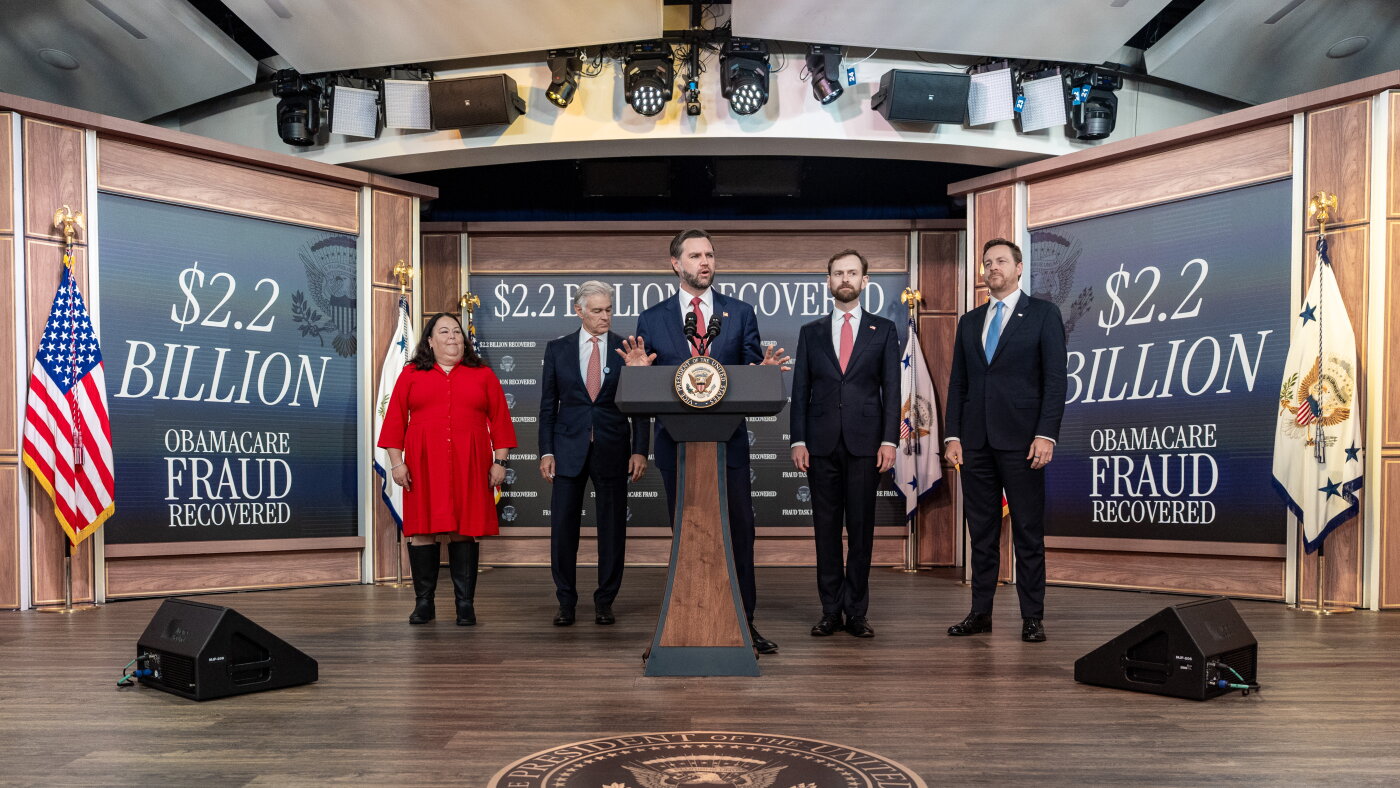
In a significant move to address fraud and reduce federal spending, the Trump administration announced the removal of 760,000 individuals from the Affordable Care Act (ACA) health exchanges. Vice President JD Vance declared that these individuals were fraudulently enrolled or did not exist, resulting in savings of $2.2 billion for the government. This decision is part of a comprehensive effort by the administration to crack down on fraud across federal healthcare programs.
### Fraud Discovery and Cost Savings
Vice President JD Vance, who leads the government task force on fraud elimination, stated that the removal of these enrollees was necessary to ensure that only eligible individuals receive Obamacare subsidies. The decision to cancel approximately 315,000 enrollments, which affects 760,000 people, was partly due to insufficient eligibility verification processes. Additionally, 419,000 other enrollments will undergo further verification to confirm entitlement to benefits.
### Suspension of Agents and Brokers
In response to the findings, the administration announced a six-month suspension on new agents or brokers enrolling individuals for healthcare coverage. Officials claim that a significant portion of the uncovered fraud was committed by these intermediaries. This measure is intended to curb fraudulent activities and maintain the integrity of the enrollment process.
### Criticism and Calls for Transparency
The decision has faced criticism from healthcare policy experts who demand more transparency in how the administration identified fraudulent enrollees. Cynthia Cox from the KFF raised concerns about whether the right process was followed and whether all removed individuals were indeed fraudulently enrolled. Ellen Montz, formerly of CMS, acknowledged the administration's efforts but highlighted the need for detailed explanations of the criteria used for these decisions.
### Impact on ACA Enrollment and Future Actions
With approximately 19.2 million Americans currently enrolled in ACA plans, the removal of 760,000 participants represents a substantial reduction. This action comes amid rising healthcare costs and high inflation, which have increased the financial burden on Americans. The administration's focus on reducing costs aligns with broader economic pressures and the upcoming midterm elections, where affordability remains a critical issue.
### Conclusion
The Trump administration's decision to remove a large number of ACA enrollees is a contentious step in its broader strategy to combat fraud and reduce government spending. While it promises significant savings, the lack of transparency and potential errors in identifying fraudulent cases have sparked debate among experts and affected individuals. As the situation develops, calls for clarity and fairness in the process are likely to continue.
Frequently Asked Questions
Why were 760,000 ACA enrollees removed?
The Trump administration claims these individuals were fraudulently enrolled or did not exist, leading to a decision to remove them to save $2.2 billion.
What measures are being taken to prevent future fraud?
A six-month suspension on new agents or brokers enrolling individuals has been announced, as they were found to contribute to a significant portion of the fraud.
Who is leading the task force to eliminate fraud?
Vice President JD Vance is leading the government task force focused on eliminating fraud in federal healthcare programs.
How many Americans are currently enrolled in ACA plans?
As of early 2026, approximately 19.2 million Americans are actively enrolled in ACA marketplace health plans.
What concerns have been raised about the removal process?
Experts have criticized the lack of transparency in the decision-making process and raised concerns about the possibility of wrongfully removing eligible enrollees.