Written by HALO Staff Member, Health And Legacy Organization
September 18, 2026 • 3 min read
Starting in 2027, Medicare's ACCESS Model will expand to include new tracks for heart failure, COPD, substance use disorders, and nicotine dependence, offering technology-supported care.
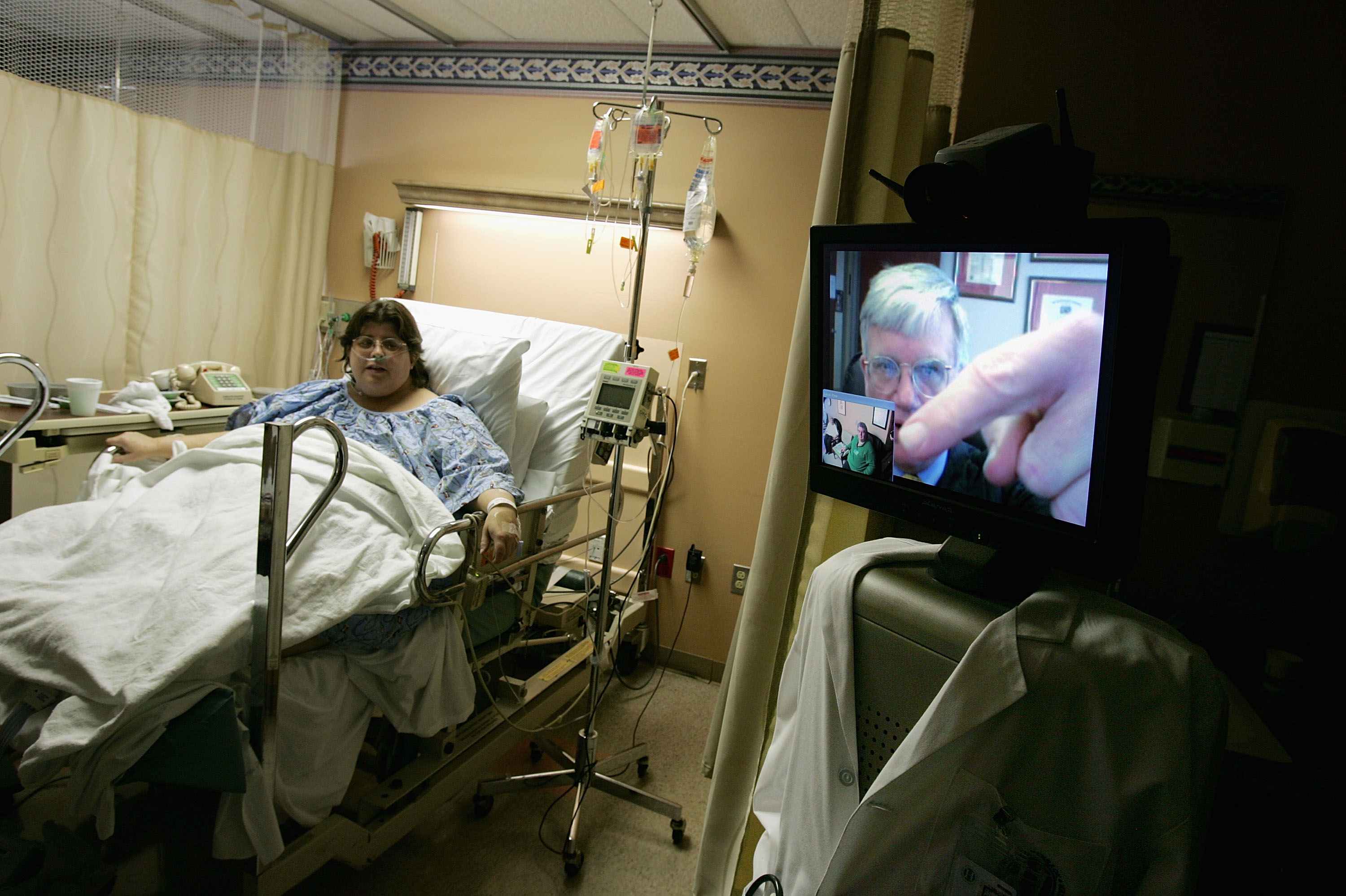
The Centers for Medicare & Medicaid Services (CMS) announced a significant expansion of its Advancing Chronic Care with Effective, Scalable Solutions (ACCESS) Model starting in spring 2027. This expansion introduces new tracks for heart failure, chronic obstructive pulmonary disease (COPD), substance use disorders, and nicotine dependence, providing technology-supported care options for individuals with Original Medicare. This initiative aims to enhance chronic condition management by incorporating continuous monitoring, remote coaching, and virtual care between doctor visits.
### New Tracks and Their Offerings
CMS has outlined that the heart failure track will focus on continuous monitoring to improve function, manage symptoms, and enhance the quality of life. The COPD track will aim to maintain or improve lung function and support daily activities. The substance use track will address opioid, alcohol, and other substance use disorders, providing integrated support for co-occurring depression and anxiety. Additionally, a separate track will assist individuals in quitting tobacco.
### Payment Model and Expectations
The ACCESS Model compensates participating organizations based on measurable improvements in patient health outcomes rather than the volume of care provided. This outcomes-based payment approach includes virtual care, remote monitoring, and connected devices, with potential annual payments ranging from $180 to $420 per patient, including Medicare's share and patient coinsurance. However, some digital health companies have expressed concerns about the sustainability of services at these rates.
### Who Benefits from the ACCESS Model
This model could significantly benefit individuals in rural areas, those with limited mobility, and caregivers who manage multiple appointments. By enabling care at home, the ACCESS Model reduces the need for frequent doctor visits, providing convenience and potentially improving adherence to care plans.
### Open Questions and Implementation
While the model is a promising federal test, it leaves some questions unanswered, such as specific payment levels for new tracks and how quality will be measured. The program's value remains to be proven, as CMS has not yet released outcome data from its initial months. Patients and families should seek clear information regarding out-of-pocket costs and the integration of this model with existing care before enrolling.
### Steps for Patients and Caregivers
Interested beneficiaries should consult with their primary care doctors for referrals, explore the Medicare.gov directory, or contact Medicare directly. It is crucial to understand the coordination with current healthcare providers, required devices, and any associated costs before committing to the program.
Frequently Asked Questions
What is the ACCESS Model?
The ACCESS Model is a Medicare initiative aimed at improving chronic condition management through technology-supported care and outcomes-based payments.
Who is eligible for the expanded ACCESS Model tracks?
Only individuals with Original Medicare are eligible for the expanded tracks, which include heart failure, COPD, substance use disorders, and nicotine dependence.
How does the payment model work?
The payment model compensates participating organizations based on health outcome improvements, rather than the volume of visits, including possible virtual care and remote monitoring services.
Will Medicare Advantage members be able to join?
No, Medicare Advantage members are not eligible for the ACCESS Model, although their plans may offer similar programs.
What should patients consider before enrolling?
Patients should confirm the program's coordination with their current doctors, device requirements, coverage of internet or phone service, and any out-of-pocket costs before enrolling.