Examining the controversy surrounding Abdulrahman Mohamed El-Sayed's comments on Sharia law and the political allegations against him.
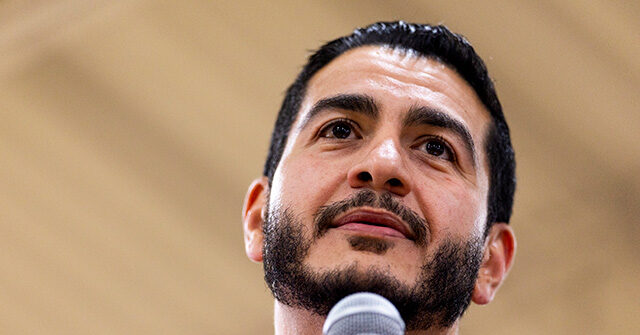
In a politically charged atmosphere, Abdulrahman Mohamed El-Sayed, the Democratic Senate nominee from Michigan, found himself at the center of a debate over Sharia law. During a 2022 speech at a Council on American-Islamic Relations (CAIR) event, El-Sayed questioned Oklahoma's decision to ban Sharia law, linking it to historical injustices such as the forced removal of Native Americans and the destruction of Black Wall Street. His comments have sparked a wide range of reactions and political accusations, primarily from his Republican opponent Mike Rogers.
### The CAIR Speech and Its Implications
In his speech, El-Sayed pondered the implications of Oklahoma's 2010 vote to ban Sharia law. "When the state of Oklahoma voted in a referendum to amend the constitution to ban Sharia law. What does that mean? I don't know. And yet the voters banned it anyway," he remarked. He continued by reflecting on how historic forces still influence contemporary decisions, drawing parallels with past events like the destruction of Black Wall Street and the Oklahoma City bombing. El-Sayed's comments were seen as controversial by some, particularly due to the sensitive nature of Sharia law in the American political context.
### Political Criticism from Opponents
Republican nominee Mike Rogers has been vocal in his criticism of El-Sayed, accusing him of having extremist views and connections with organizations like the Muslim Brotherhood. Rogers has also questioned the financial backing of El-Sayed’s campaign, highlighting significant donations from individuals linked to CAIR. These allegations are part of a broader narrative Rogers is pushing, framing El-Sayed as an extremist who does not align with American values.
### El-Sayed's Stance on Sharia Law
Despite the allegations, El-Sayed has publicly stated his belief in the separation of church and state. He clarified that while he observes Sharia law personally, he opposes any attempt to legislate religious laws in the United States. This position aims to reassure voters concerned about religious influence in government while maintaining his personal beliefs.
### Support from Progressive Figures
El-Sayed has received endorsements from prominent progressive figures such as Sen. Bernie Sanders and Rep. Alexandria Ocasio-Cortez. These endorsements highlight his appeal within progressive circles, despite the controversy surrounding his stance on Sharia law.
### The Broader Debate
The debate around Sharia law is not new to American politics. Figures like Sen. Ted Cruz have openly denounced it, framing it as incompatible with American constitutional values. This ongoing discourse reflects the complex relationship between religious beliefs and political governance in the United States.
### Takeaway
Abdulrahman Mohamed El-Sayed's remarks on Sharia law and the subsequent political allegations against him underscore the nuanced and often contentious intersection of religion and politics. As the election approaches, voters will have to navigate these complexities, balancing personal beliefs with broader societal values.
Frequently Asked Questions
What was the context of El-Sayed's comments on Sharia law?
El-Sayed made his comments during a 2022 speech at a CAIR event, questioning Oklahoma's decision to ban Sharia law and linking it to historical injustices.
How has Mike Rogers criticized El-Sayed?
Rogers has accused El-Sayed of holding extremist views and has questioned his campaign's financial backing, particularly donations from individuals linked to CAIR.
Does El-Sayed support legislating Sharia law in the U.S.?
No, El-Sayed has stated his belief in the separation of church and state and opposes legislating religious laws in the United States.
Who are some of El-Sayed's prominent supporters?
El-Sayed has received endorsements from progressive figures such as Sen. Bernie Sanders and Rep. Alexandria Ocasio-Cortez.
What is the broader debate surrounding Sharia law in the U.S.?
The debate involves the compatibility of Sharia law with American constitutional values, with figures like Sen. Ted Cruz denouncing its application in the U.S.