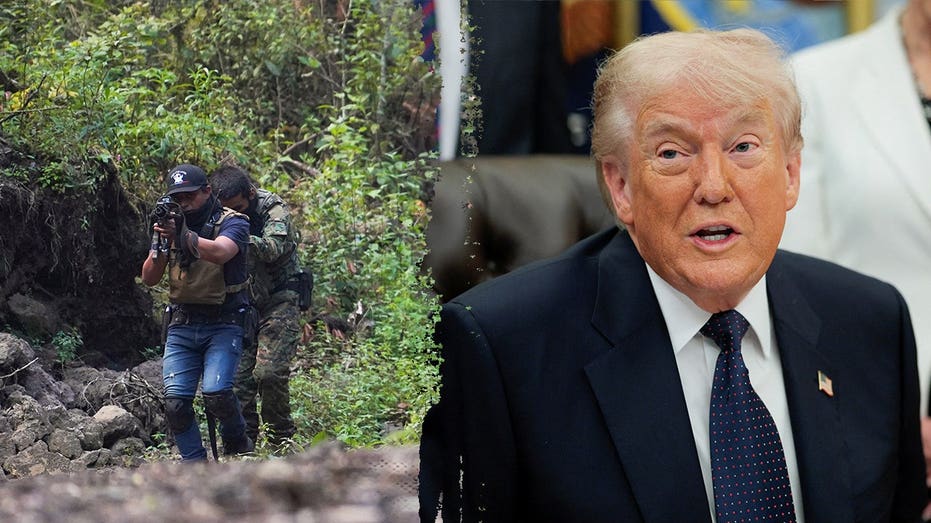
The Trump administration’s new counterterrorism strategy expands the scope of U.S. national security policy to include drug cartels and domestic extremist groups alongside traditional jihadist threats — a shift that could widen how counterterrorism tools are deployed at home and abroad.A 16-page strategy released to reporters Wednesday identifies three primary sources of terrorist threats: "narcoterrorists and transnational gangs," "legacy Islamist terrorists," and "violent left-wing extremists, including anarchists and anti-fascists" — marking a break from post-9/11 frameworks that centered l...
HALO NEWSLETTER
Join HALO today and unlock this story instantly — It's Free