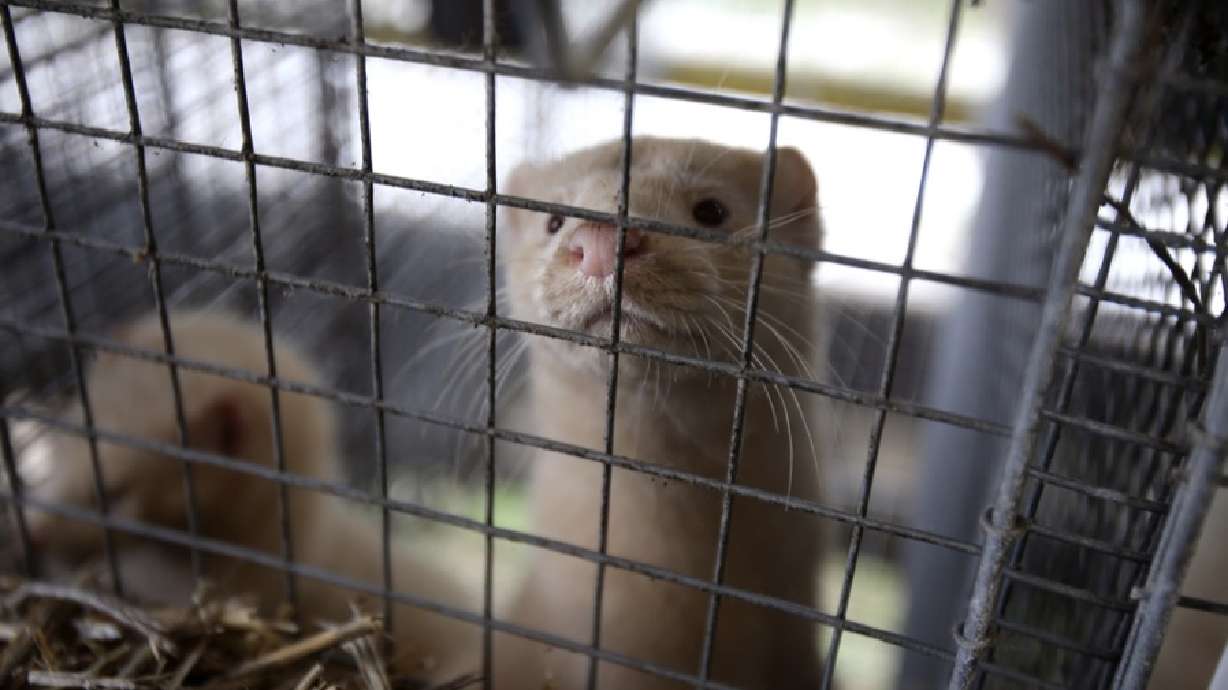
Animal welfare groups have criticized Utah's response to a bird flu outbreak at a mink farm, citing a lack of transparency and inadequate biosecurity measures.
In the wake of a bird flu outbreak at a mink farm in Utah, animal welfare organizations have raised concerns about the state's response, describing it as 'dangerously lax.' The outbreak marks the first documented instance of avian influenza in mink in the United States, leaving officials grappling with unprecedented challenges in containment and response.
### Lack of Information and Transparency
Animal welfare advocates, including Animal Wellness Action and the Center for a Humane Economy, have been vocal about the scarcity of information released by state authorities. Key details such as the extent of mink-to-mink transmission, the source of the virus, and any findings related to worker exposure remain undisclosed. This lack of transparency has fueled public concern over the state's handling of the outbreak.
### Challenges in Establishing Protocols
The Utah Department of Agriculture and Food faces significant hurdles due to the novelty of the outbreak. With no established precedent for managing avian influenza in mink, the state's response has been hampered by uncertainty. While options like depopulation, quarantine, and vaccination are on the table, each comes with its own set of challenges and limitations.
### Criticism from Animal Advocacy Groups
Animal rights groups have criticized the lack of preparation and biosecurity measures in place to prevent or manage such outbreaks. The potential for a mutation of the virus to pose a threat to human health has been a particular point of concern, highlighting the broader implications of disease management on mink farms.
### Official Response and Future Actions
State officials, while acknowledging the challenges, have emphasized their commitment to supporting producers and minimizing damage. However, the reliance on 'verbal holds' instead of legal quarantines has drawn criticism. The need for emergency vaccine approval from federal authorities further complicates the response efforts.
### International Context and Precedents
International precedents suggest that depopulation has been a common response to similar outbreaks, yet this approach is not without controversy. The lack of a clear protocol for non-depopulation strategies underscores the complexity of managing avian flu in mink, a novel occurrence in the United States.
### Closing Takeaway
The bird flu outbreak at the Utah mink farm underscores the importance of preparedness and transparency in managing zoonotic diseases. As officials navigate uncharted territory, the scrutiny from animal welfare groups highlights the need for robust biosecurity measures and clear communication with the public.
Frequently Asked Questions
What is the current status of the bird flu outbreak at the Utah mink farm?
As of the latest reports, the outbreak is ongoing with limited information available about the containment measures being implemented.
Why is there criticism of Utah's response to the outbreak?
Animal welfare groups have criticized the state's response due to a perceived lack of transparency and inadequate biosecurity measures.
What measures are being considered to manage the outbreak?
Options include depopulation, quarantine, and vaccination, although each presents challenges and limitations.
Has there been any human exposure to the virus?
There is no confirmed high risk of human transmission, but the Utah Department of Health and Human Services is investigating potential exposure.
What are the potential risks if the virus mutates?
A mutation could pose a significant human health risk, highlighting the need for effective biosecurity measures to prevent such scenarios.